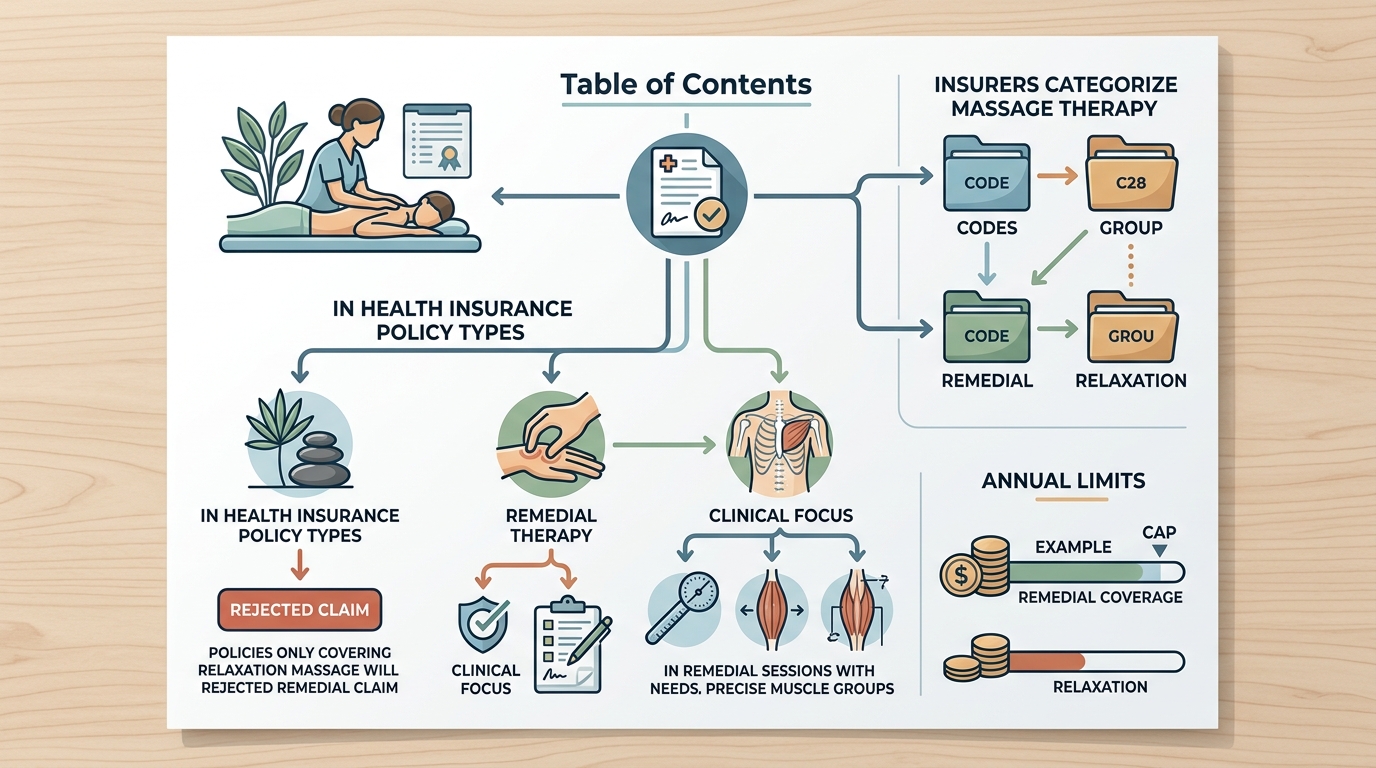
Insurers categorize massage therapy into different groups. Some policies distinguish between relaxation and remedial techniques. Remedial sessions typically require a clinical focus. If your policy only covers relaxation massage, remedial claims may be rejected. Always check the Product Disclosure Statement (PDS) for your specific plan. The Wellness Collective advises clients to review their policy documents before booking sessions. For additional details, review the .
Extras Cover Requirements
Choosing the Right Tier
Therapist Qualifications
Therapist qualifications are a critical factor in claim approval. Most insurers require the practitioner to be registered with a recognized professional body. In Australia, this often means registration with the Australian Remedial Massage Association (ARMA) or a similar accredited organization. The therapist must also hold a valid professional indemnity insurance policy. Some insurers require the therapist to be registered on their specific provider network. If the therapist is not registered, the claim will likely be denied. The Wellness Collective ensures that all practitioners meet these professional standards to facilitate smooth claim processing for clients. For additional details, review the Customer Experience.
Verification Steps
Before your first session, ask the therapist for their registration details. You can verify their status through the insurer's provider directory. Some insurers allow you to search for registered practitioners online. If the therapist is not listed, they may need to apply for registration. This process can take several weeks. It is best to confirm registration status before scheduling multiple sessions. This prevents unexpected out-of-pocket expenses. For additional details, review the Frequently Asked Questions.
Annual Benefit Limits
Managing Your Budget
If your annual limit is lower than your expected spending, consider adjusting your treatment frequency. You might schedule sessions more frequently during the first half of the year. Alternatively, you can upgrade your extras tier mid-year if your insurer allows it. Some insurers allow you to add benefits during the policy year. This flexibility can help you manage costs. The Wellness Collective recommends reviewing your benefit usage quarterly to ensure you are maximizing your coverage. For additional details, review the About.
Waiting Periods
Waiting periods are a common requirement for extras cover. Most insurers impose a waiting period before you can claim remedial massage benefits. This period is typically 12 months for new policyholders. If you switch insurers, the waiting period may be waived if you have continuous cover with your previous insurer. If you have a gap in coverage, the waiting period usually restarts. Check your policy documents for specific waiting period details. Some insurers may waive the waiting period for certain conditions or if you have a pre-existing condition. However, this is not guaranteed. Plan your treatment schedule accordingly to avoid paying full price during the waiting period.
Pre-Existing Conditions
If you have a pre-existing musculoskeletal condition, your insurer may apply a longer waiting period. This is typically 12 months from the date of policy inception. Some insurers may exclude pre-existing conditions entirely from extras cover. Review your policy exclusions carefully. If you are concerned about pre-existing conditions, consult your insurer before purchasing a new policy. This ensures you understand what is and is not covered.
Remedial massage is covered under extras cover, not hospital or medical cover.
You must have extras cover selected on your policy to claim benefits.
Therapists must be registered with recognized professional bodies and your insurer.
Annual benefit limits vary by tier and reset each policy year.
Waiting periods are typically 12 months for new policyholders.
Track your benefit usage regularly to maximize your coverage.
Verify therapist registration before booking to avoid claim denials.
Review your policy documents for specific exclusions and limits.
Frequently Asked Questions
Do all private health insurers cover remedial massage?
Most major Australian private health insurers cover remedial massage under their extras plans. However, coverage details vary by insurer and policy tier. Always check your specific policy documents to confirm eligibility.
How much can I claim for remedial massage?
Do I need a referral from my doctor?
Generally, you do not need a doctor's referral to claim remedial massage under extras cover. However, some insurers may require a referral for specific conditions or higher-tier benefits. Check your policy requirements.
What if my therapist is not registered with my insurer?
If your therapist is not registered with your insurer, your claim will likely be denied. You must use a registered practitioner to receive a rebate. Ask your therapist to register with your insurer before your first session.
Can I claim remedial massage for relaxation purposes?
Most insurers cover remedial massage for therapeutic purposes. Relaxation massage may be covered under a different category or may not be covered at all. Check your policy to see if relaxation massage is included in your extras benefits.
How long is the waiting period for extras cover?
The standard waiting period for extras cover is 12 months. If you switch insurers with continuous cover, the waiting period may be waived. If you have a gap in coverage, the waiting period usually restarts.
Can I upgrade my extras tier mid-year?
Some insurers allow you to upgrade your extras tier during the policy year. This may be subject to a new waiting period or additional premiums. Contact your insurer to check if mid-year upgrades are available.